

 Deutsch
Pneumatic control cabinet: Planning, design, and function in control cabinet construction
Here’s the English version of the blog post that matches the tone and structure of the German text.
Precision Meets Air Power – Why Control Cabinet Construction Is the Heart of Any Pneumatic System
In modern automation, few areas are as crucial to the reliability and efficiency of machines as control cabinet construction in pneumatics. While electrical engineering processes electronic signals, pneumatics is all about the precise control of compressed air—the invisible energy source that drives valves, cylinders, and machines.
For all these processes to work seamlessly together, a central control unit is essential: the control cabinet. It serves as the organizational and functional core of any system, where signals, airflows, and control commands are collected and intelligently distributed.
Structure and Design: Where Order Creates Efficiency
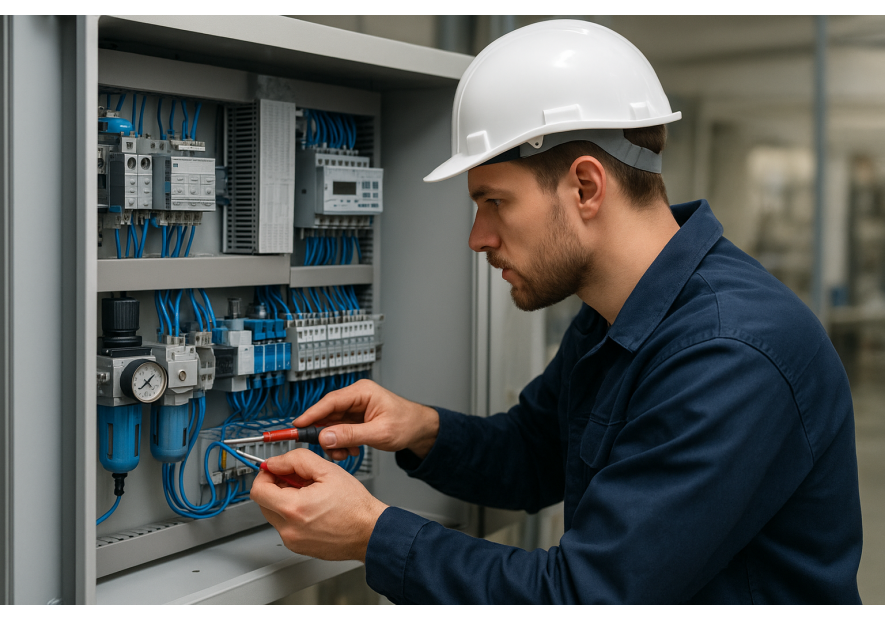
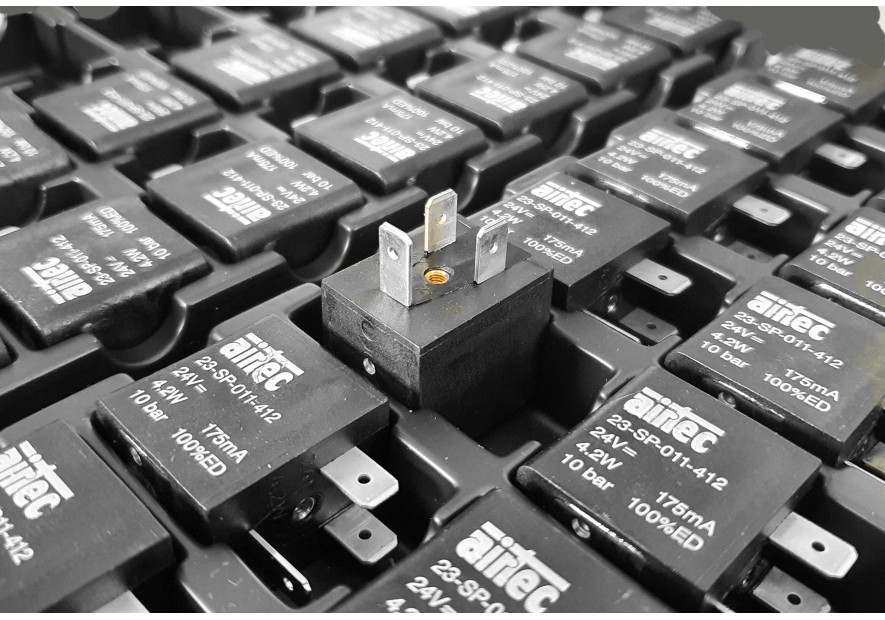
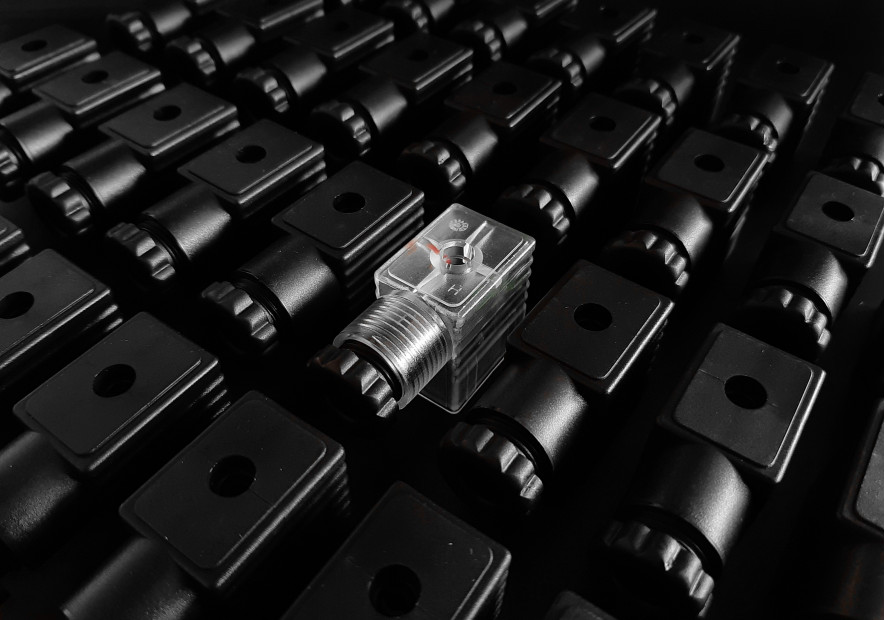
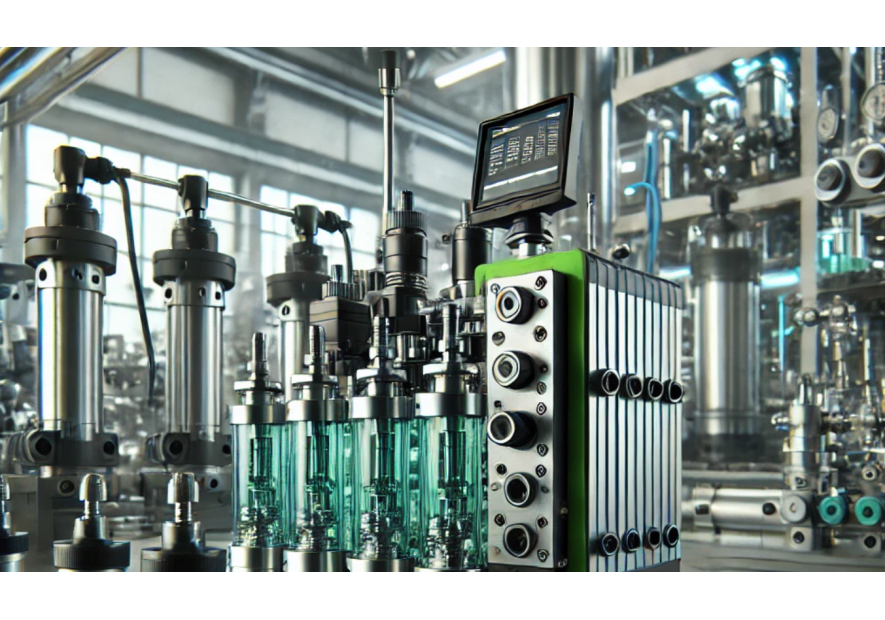
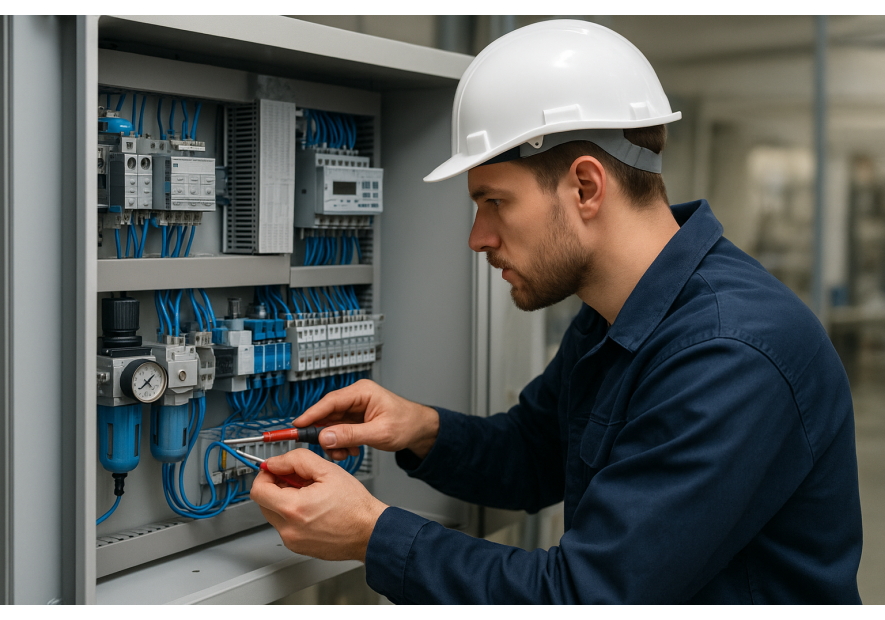
A pneumatic control cabinet contains a variety of precisely coordinated components—from air preparation units, valve islands, and control devices to plugs, connectors, and electrical modules. This combination of mechanical, electrical, and pneumatic parts demands a high level of expertise and precision during assembly.
Clean wiring, logical arrangement, and clear labeling are indispensable. They ensure that maintenance tasks can be performed quickly and safely. Each connection must be traceable, each cable properly routed. A well-thought-out design saves both time and resources during operation and minimizes costly downtimes.
Safety and Reliability Come First
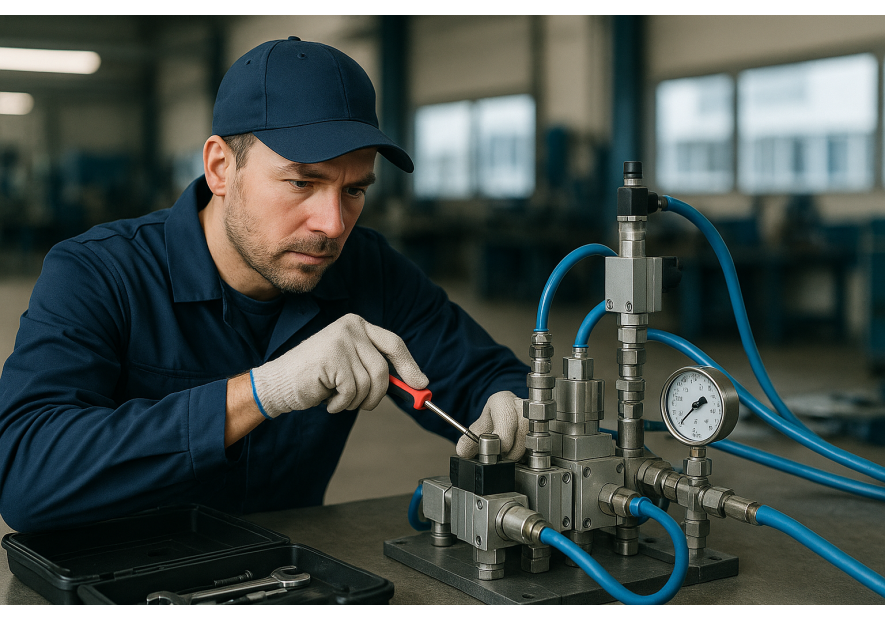
Compressed air is a powerful energy source, which is why safety must always come first. Even tiny leaks can cause malfunctions, such as delayed valve response or faulty cylinder movements. Therefore, every control cabinet undergoes thorough testing before commissioning—all lines, valves, and fittings are carefully checked to ensure airtightness.
The integration of electrical and pneumatic controls is equally important. In modern systems, pneumatic valves are typically actuated by electrical signals—often via PLC (programmable logic controllers). This combination enables highly precise motion control, automatic sequencing, and maximum flexibility.
Standards, Maintenance, and Protection
Safety valves, pressure monitoring, and emergency stop switches are indispensable components of modern control cabinets. They ensure that pressure can be released immediately or the system safely stopped in case of a malfunction. Furthermore, all components must comply with national and international safety standards.
Ease of maintenance is another key factor. A well-designed control cabinet allows quick replacement of defective parts without shutting down the whole system. A robust housing also protects sensitive components from dust, moisture, and other environmental influences—an essential factor in harsh industrial environments.
Control cabinet construction in pneumatics is far more than the assembly of individual parts—it is an engineering discipline where precision, safety, and efficiency work hand in hand. Each cabinet is individually planned to meet the specific requirements of its system. The result is smooth operation, high safety, and long service life for the entire machine.
A well-designed pneumatic control cabinet is not just a technical component—it is the beating heart of automation.
