
 Deutsch


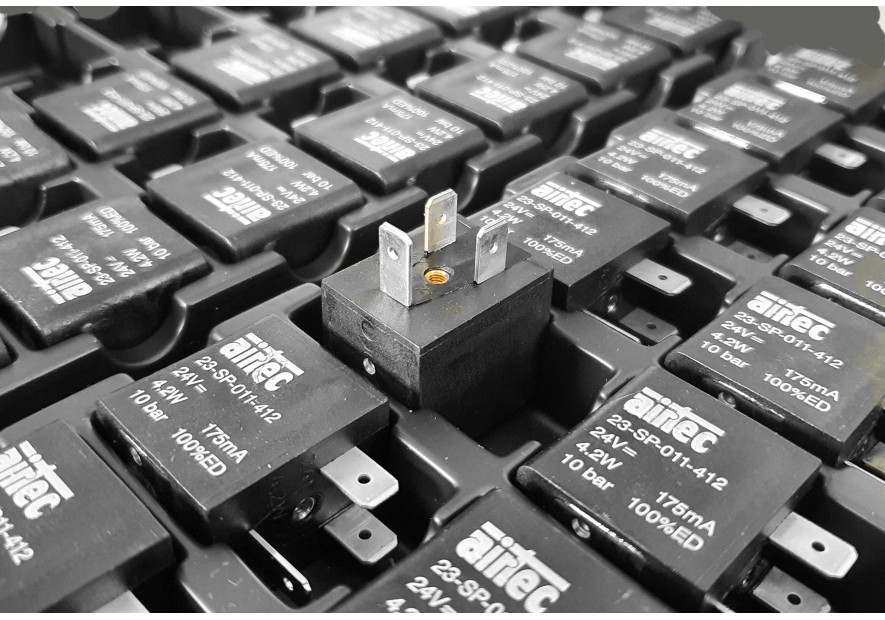
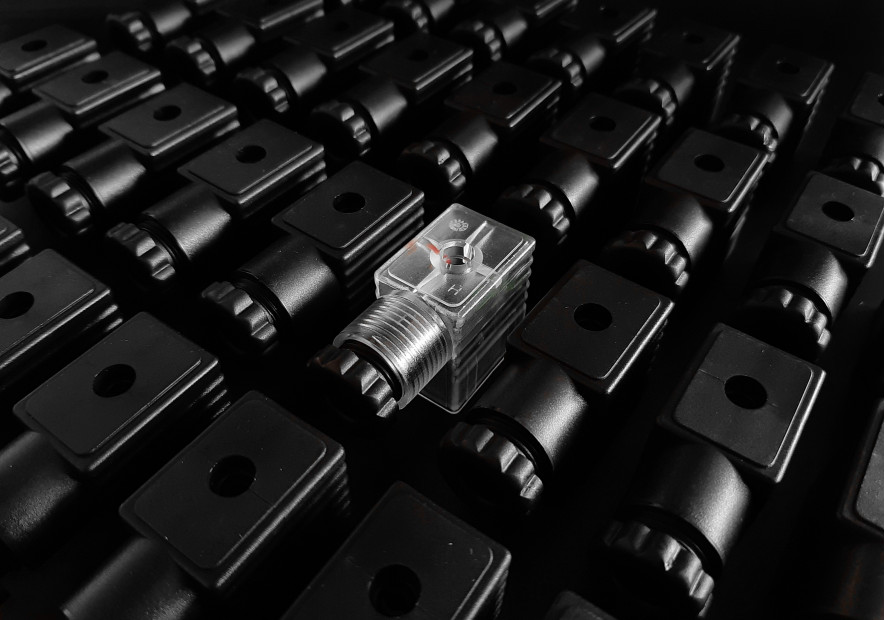

How to choose the correct coil for my solenoid valve?
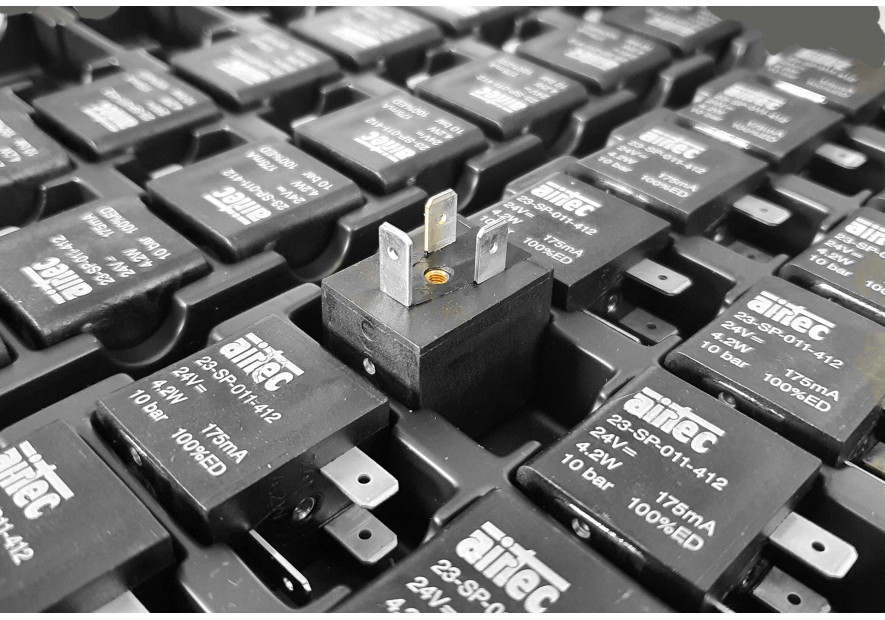
1. The Importance of Coil Voltage in Pneumatic Systems
Coil voltage plays a crucial role in the selection and operation of solenoid valves in pneumatic systems. It not only affects functionality but also influences the safety, lifespan, and energy efficiency of the entire system. Choosing the correct coil voltage and regularly checking it is therefore essential to ensure smooth operation and long-term cost-effectiveness. This guide covers the key aspects of coil voltage in pneumatics and provides practical tips for its proper handling.
2. Selecting the Correct Coil Voltage and Its Effects
Coil voltage refers to the electrical voltage applied to a solenoid coil to generate a magnetic field. This magnetic field moves the armature inside the valve, enabling it to open or close the airflow in a pneumatic system. The choice of the correct coil voltage largely depends on the specific requirements of the application. In practice, solenoid valves are often operated with voltages of 24 V DC, 230 V AC, or 110 V AC. The voltage used usually depends on the system's infrastructure:
24 V DC is widely used in modern industrial plants, especially in automation technology, as it presents a lower risk of electric shock and is easily integrated into control systems.
230 V AC is commonly found in older systems or where no separate low-voltage supply is available.
110 V AC is less common but used in specific applications or international projects.
It is crucial that the coil voltage exactly matches the system’s supply voltage to avoid malfunctions or damage to components. Incorrect voltage can lead to various problems: too low a voltage may result in a magnetic field that is not strong enough to reliably actuate the valve, potentially disrupting the pneumatic process. Conversely, too high a voltage can cause the coil to overheat, leading to premature wear or, in the worst case, posing a fire hazard. The temperature increase and resistance change in the coil are directly dependent on the applied voltage. If the voltage remains too high over time, coil temperature rises, which can damage insulation and significantly reduce the valve's service life.
3. Safety Considerations and Efficiency Gains from Proper Coil Voltage
Choosing the correct coil voltage is not only important for functionality but also from a safety perspective. Solenoid valves are often used in safety-critical applications such as process industries, medical technology, or automation systems. In such areas, the coil voltage must reliably stay within the manufacturer’s specified tolerances to avoid potential hazards. Modern systems often include monitoring mechanisms that continuously check the voltage and trigger alarms or shut down the system in case of irregularities to prevent damage.
Another important factor is energy efficiency. Selecting an optimally matched coil voltage can reduce the energy consumption of the entire pneumatic system. Efficient solenoid valves with properly set voltage require less electricity and produce less heat. This not only lowers operating costs but also benefits the environment. Moreover, the correct coil voltage helps minimize thermal stress on the coil and extend the lifespan of solenoid valves. Less heat development means less wear, resulting in lower maintenance costs and increased reliability.
4. Practical Tips for Installation and Maintenance of Solenoid Valves
When dealing with coil voltage, there are several practical tips that should be followed:
Follow manufacturer specifications: Always use the coil voltage recommended by the manufacturer. It is precisely tailored to the valve and system requirements.
Regularly check power supply: Ensure that the supply voltage is stable and within the specified tolerances. Regular inspections help prevent voltage fluctuations that could impair valve function.
Install protective components: For DC coils, the use of a freewheeling diode is recommended to prevent voltage spikes when switching off.
Perform maintenance: Regularly check the condition of solenoid valves. Look for signs of overheating, discoloration, or unusual odors, which may indicate overload or incorrect voltage.
Use original replacement parts: Faulty coils should always be replaced with identical ones of the same voltage rating to ensure compatibility and avoid further damage.
Especially in larger systems, coil voltages are clearly marked in the pneumatic system schematics. This simplifies troubleshooting and maintenance, as it’s immediately clear which voltage is applied to which valve. In some cases, special calculation tools can also be used to account for changes in temperature and resistance at different voltages.
5. Conclusion: Optimization Through Proper Coil Voltage
In conclusion, the correct selection and handling of coil voltage are crucial for the reliability, safety, and efficiency of solenoid valves in pneumatic systems. Those who follow manufacturer guidelines, regularly check the voltage, and ensure precise matching of voltage and current can extend component life and optimize system performance. A thoughtful approach to coil voltage not only contributes to safe and uninterrupted operation but also reduces operating costs and improves energy efficiency.